
Starts at
Starts at
Trip Overview
The Ausangate Trek to Rainbow Mountain is a four-day mountain route for travelers who want a deeper walk through the high Andes, far from the busiest paths near Cusco.
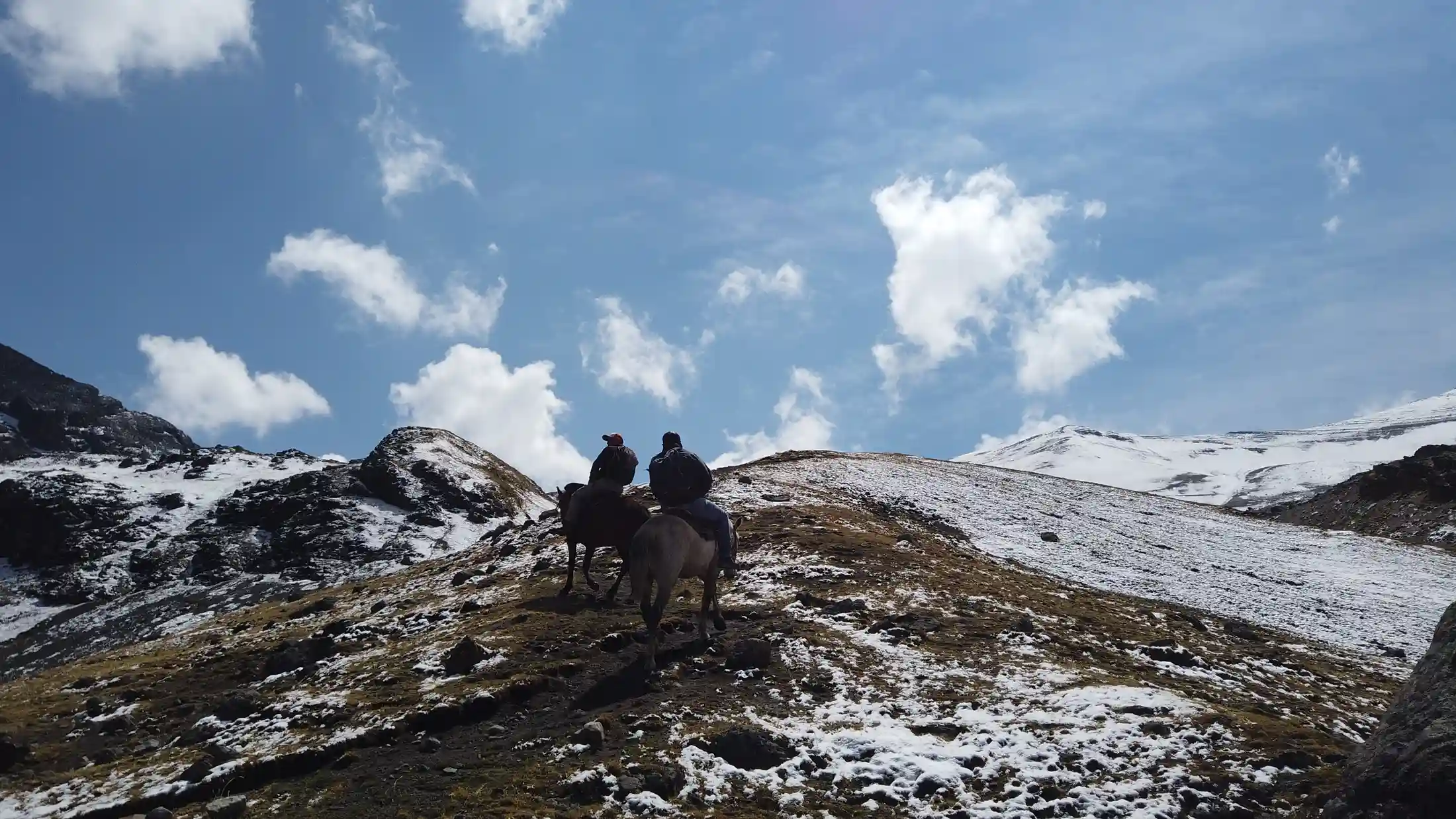
This route moves through remote valleys, cold passes, glacier lakes, herding lands, and small Andean settlements before reaching Rainbow Mountain before the largest day groups arrive. The trail is demanding, but it gives you a rare kind of reward: open land, quiet camps, Ausangate rising above the route, and the red ground of the final valley.
You will walk at high altitude for several days, with camps above 4,500 m / 14,764 ft and a final viewpoint at around 5,100 m / 16,732 ft. The weather can shift fast. The nights are cold. The climbs require stamina. Still, for travelers who want a real trekking route in Peru, this is one of the strongest choices.
With Machu Picchu Gol Travel, the trek is arranged with guide support, camp logistics, cooked meals, mule support, safety equipment, and clear organization from Cusco to the final return.
Tour at a Glance
Ends at
Ends at
Duration
Duration
From
US$ 100
Deposit
6%
Travel staff
Local Guide
Transport
by Bus
Accommodation
Accomodation
Departures
Daily Departures
Season
All year
Meals
1B, 1L, 1D
Physical level
Easy
Max altitude
15,090 feet (4,600 meters)
Sites to visit
Cusco, Soraypampa
Day by Day Schedule
Day highlight: First close views of Ausangate and the option to walk toward Wayna Ausangate Lake.
The day starts early with pickup from your hotel in Cusco. The road leaves the city and moves toward the highland area of Upis, a rural zone with wide mountain views, farming fields, and small homes set under the Ausangate range.
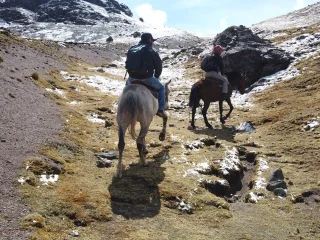
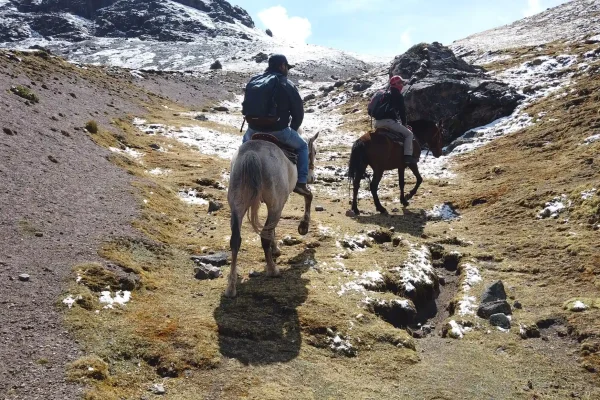
After arrival, you meet the trekking team, including the guide, cooks, and muleteers. The walk begins on a wide uphill trail with open land and clear views toward the northeast face of Ausangate. The ascent is gradual, but the altitude makes the pace important from the first day.
The ground is mostly dirt and grassland, with some rocky sections and uneven mountain paths. In rainy months, mud and wet ground may appear. The air is cold, especially when clouds move in, and the sun can feel strong even when the wind is sharp.
After around 3 hours of walking, the group reaches the Upis campsite area for lunch. In the afternoon, there may be an optional round-trip walk to Wayna Ausangate Lake, depending on group condition, weather, and timing.
The day ends with tea time, dinner, and the first night in camp. Nights in this area are very cold, so warm clothing is essential.
Technical details
- Meals: Breakfast, lunch, and dinner
- Accommodation: Camp
- Walking distance: Approx. 10 km / 6.21 mi
- Difficulty: Moderate
- Trail type: Dirt path, highland grassland, gradual ascent, possible mud in rainy season
- Transport: Tourist transport from Cusco to Upis
- Optional activity: Wayna Ausangate Lake walk, depending on weather and group condition

Day highlight: Glacier lakes, highland valleys, and the first major pass of the trek.
The day begins with hot tea and breakfast at camp. The route continues through a high Andean valley with Ausangate in view for much of the morning. The trail climbs toward Arapa Pass, located at around 4,800 m / 15,748 ft.
The ascent is steady, with dirt, stone, and open exposed sections. The altitude can make the climb feel slow, so the guide will manage a careful rhythm. At the pass, the views widen across glaciers, ridges, and highland valleys. On clear days, the light across the mountains can be sharp and dramatic.
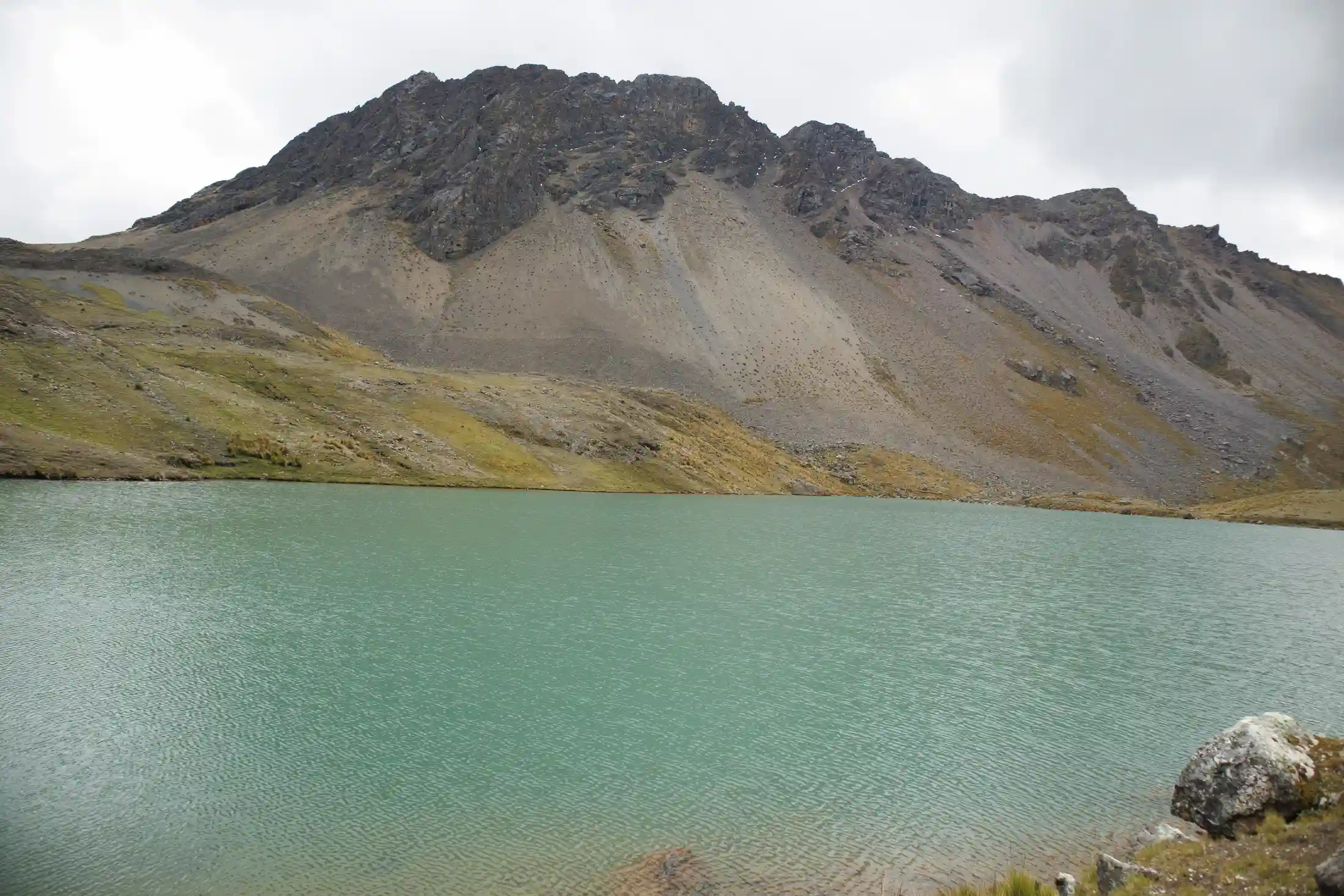
After the pass, the trail descends toward Yanaqocha, also called the black lagoon. The ground may become uneven, with rocky steps and wet sections near water areas. The route then continues toward Hatun Pukaqocha, where the group has lunch and later sets camp.
In the afternoon, there is time to walk near the lakes, take photos, or rest. This night is also cold, with camp located at high altitude.
Technical details
- Meals: Breakfast, lunch, and dinner
- Accommodation: Camp
- Minimum altitude: Approx. 4,500 m / 14,764 ft
- Highest altitude: Arapa Pass, approx. 4,800 m / 15,748 ft
- Camp altitude: Hatun Pukaqocha, approx. 4,500 m / 14,764 ft
- Walking distance: Approx. 11 km / 6.84 mi
- Walking time: Approx. 6 hours
- Difficulty: Moderate
- Trail type: Dirt trail, rocky pass, lake-side paths, wet sections near lagoons
Day highlight: First distant views of the Rainbow Mountain range and a high camp near Surineqocha.
The third day is one of the most visually strong parts of the trek. After breakfast, the trail climbs toward Puka Pass, located at around 4,870 m / 15,978 ft. The climb takes about 2 hours and crosses highland slopes with glacier views, deep valleys, and Ausangate standing close to the route.
At the pass, you can see the mountain range, herding lands, and the direction of the Rainbow Mountain area. The weather here can change quickly, and wind can be strong, so keep warm layers close.
The trail then descends toward Anantapata, where lunch is served. This descent crosses dirt and stone terrain, with open views over valleys where llamas and alpacas often graze.
After lunch, the route climbs again for around 2 hours toward Warmisaya Pass, the highest point of the day at around 4,985 m / 16,355 ft. This section is demanding because the body has already been walking for hours, and the altitude is high.
From Warmisaya, the route descends toward Surineqocha Lagoon, where camp is set. From this area, travelers may see the warm evening light behind the Rainbow Mountain range, depending on weather conditions.
Dinner is served at camp, followed by a cold night at high altitude.
Technical details
- Meals: Breakfast, lunch, and dinner
- Accommodation: Camp
- Minimum altitude: Approx. 4,500 m / 14,764 ft
- Highest altitude: Warmisaya, approx. 4,985 m / 16,355 ft
- Camp altitude: Surineqocha, approx. 4,800 m / 15,748 ft
- Walking distance: Approx. 10 km / 6.2 mi
- Walking time: Approx. 6 to 7 hours
- Difficulty: Moderate to challenging
- Trail type: High passes, rocky sections, dirt paths, cold exposed slopes, possible wet ground
Day highlight: Reaching Rainbow Mountain early and continuing toward the Red Valley before returning to Cusco.
The final day starts before the main visitor flow reaches the mountain. After breakfast at camp, the group walks toward Rainbow Mountain. The goal is to arrive early, when the area is quieter and the light is still soft across the slopes.
The final approach reaches around 5,100 m / 16,732 ft, so the altitude is the main challenge. The trail may include dirt, stones, frozen patches in the early morning, or mud in rainy season. Slow walking is the safest choice.
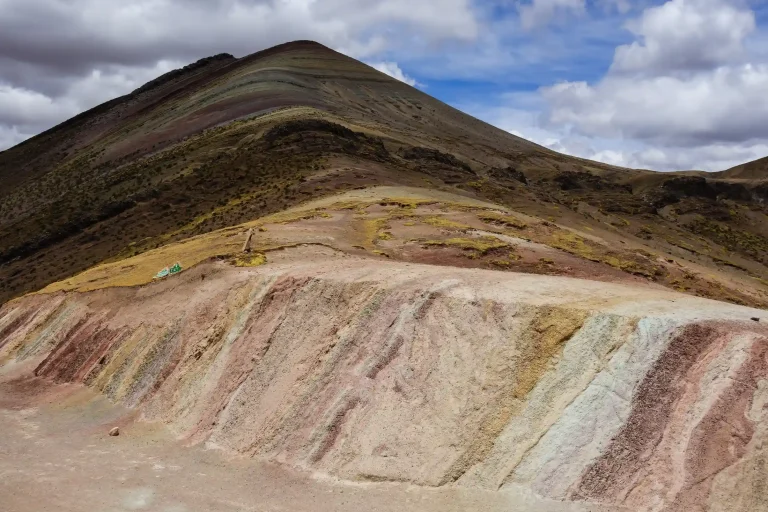
At the viewpoint, the guide explains the mineral layers that give the mountain its colors. The group has time for photos, rest, and a final look across the range.
After Rainbow Mountain, the route continues toward the Red Valley. This area has deep red slopes, open ground, and fewer people than the main Rainbow Mountain viewpoint. The walk to the viewpoint takes around 45 minutes, depending on pace and conditions.
Later, the group descends for around 2 hours through highland areas where local communities still keep herding traditions. Lunch is served before boarding the return transport to Cusco.
The service ends with drop-off at your hotel or at an accessible nearby point, depending on street access.
Technical details
- Meals: Breakfast and lunch
- Rainbow Mountain altitude: Approx. 5,100 m / 16,732 ft
- Minimum altitude: Approx. 4,630 m / 15,190 ft
- Highest altitude: Approx. 5,100 m / 16,732 ft
- Walking distance: Approx. 6.5 km / 4.04 mi
- Walking time: Approx. 5 hours
- Difficulty: Moderate
- Trail type: High-altitude dirt path, rocky sections, exposed viewpoint, descent through rural Andean areas
- Transport: Tourist transport from the trail ending point to Cusco
Inclusions
What’s Included
Permits and Entrance Tickets
- Entrance for the Ausangate trekking route
- Entrance to Rainbow Mountain
- Route coordination before departure
Guide and Safety
- Professional English and Spanish-speaking guide
- Pre-departure briefing in Cusco
- First aid kit
- Emergency oxygen
- Basic altitude support
- Route management according to weather and safety conditions
- Communication support during the operation
- 24/7 customer support before the trek
Camping Equipment
- Sleeping tents
- Kitchen tent
- Dining tent
- Tables and chairs
- Cooking equipment
- Portable travel toilet
- Inflatable mattress
- Small sleeping pillow
- Foam mattress
- Backpack cover
- Duffle bag for personal belongings, maximum 5 kg / 11 lb
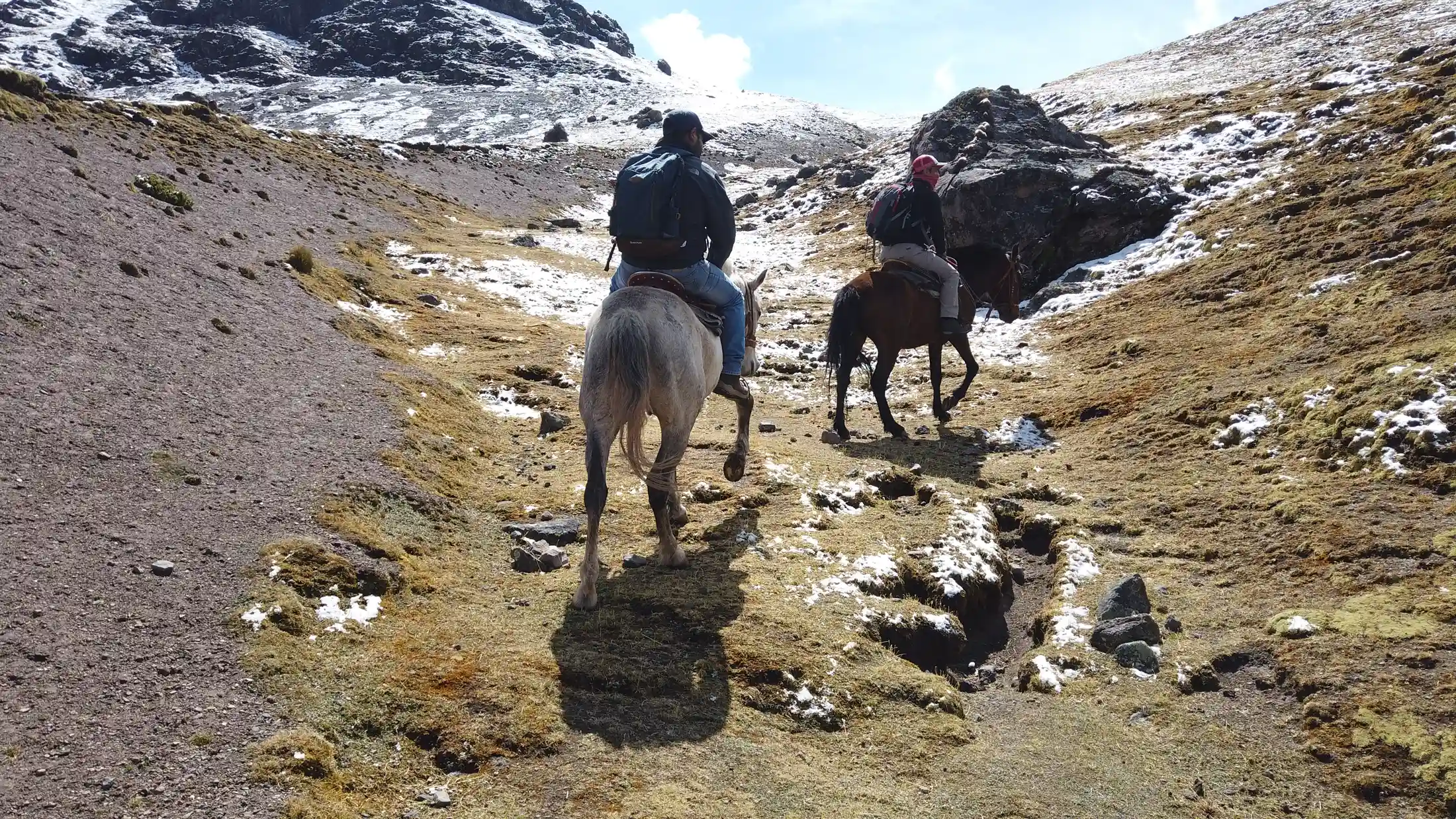
- Mule support for camp equipment and allowed luggage
Accommodation
- 3 nights in camps
- Shared tents in standard service
- Camps located in high-altitude mountain areas
- Camp support team during the trek
Meals
- 4 breakfasts
- 4 lunches
- 3 dinners
- Hot drinks at camp
- Wake-up tea in the morning
- Tea time before dinner
- Daily snacks during the route
- Boiled and treated water during the trek
- Cloth snack bag to reduce plastic waste
- Handwashing items before meals
- Vegetarian, vegan, and special meal requests with advance notice
Transport
- Hotel pickup in Cusco
- Tourist transport from Cusco to Upis
- Return tourist transport from the trail ending point to Cusco
- Duffle bag transport during trekking days, maximum 5 kg / 11 lb
What’s Not Included
- Sleeping bag
- Trekking poles
- Dinner on Day 4
- Personal hiking clothing and gear
- Travel insurance
- Tips for guide, cook, muleteers, drivers, and support team
- Extra drinks or personal purchases
- Extra costs caused by weather, road problems, strikes, illness, landslides, government decisions, or force majeure
Recommendations
Months before the trek
- Train with uphill walks, stairs, long hikes, and multi-day walking if possible.
- Break in your hiking boots before arriving in Peru.
- Check your passport validity.
- Buy travel insurance that covers high-altitude trekking and remote routes.
- Tell our reservations team about allergies, food restrictions, medical conditions, or special needs.
- Consider private service if you are traveling with children, older travelers, photographers, or anyone who may need a slower pace.
A few days before the trek
- Arrive in Cusco at least 2 or 3 days before the trek.
- Keep your first days in Cusco light so your body can adjust to the altitude.
- Drink water often.
- Avoid heavy alcohol before the trek.
- Attend the briefing and ask practical questions.
- Pack warm layers for cold nights above 4,500 m / 14,764 ft.
- Keep passport, money, medication, and valuables in your daypack.
- Pack your duffle carefully. The maximum allowed weight is 5 kg / 11 lb unless otherwise confirmed.
During the trek
- Walk at your own safe rhythm.
- Do not rush on high passes.
- Use trekking poles on rocky climbs and descents.
- Keep rain gear close, especially from November to March.
- Respect local communities, herders, muleteers, animals, and grazing lands.
- Ask before taking close photos of local residents.
- Do not leave trash on the route.
- Carry small soles for drinks, bathrooms, snacks, or local purchases.
- Tell your guide immediately if you feel dizzy, weak, short of breath, or unwell.
- Stay mentally ready for cold nights, high altitude, tired legs, and remote camps.
More Tour Information
- Tour name: Ausangate Trek to Rainbow Mountain
- Duration: 4 days and 3 nights
- Starting point: Cusco
- Ending point: Cusco
- Main route: Cusco, Upis, Arapa Pass, Yanaqocha, Hatun Pukaqocha, Puka Pass, Anantapata, Warmisaya, Surineqocha, Rainbow Mountain, Red Valley, Llactoc, Cusco
- Accommodation: Camps
- Maximum altitude: Approx. 5,100 m / 16,732 ft
- Total walking distance: Approx. 37.5 km / 23.3 mi
- Difficulty: Moderate to challenging
- Group size: Up to 12 travelers
- Meals included: 4 breakfasts, 4 lunches, and 3 dinners
- Guide: Professional English and Spanish-speaking guide
- Duffle bag: Included, maximum 5 kg / 11 lb
- Transport: Tourist transport from Cusco to the trailhead and return transport to Cusco
- Best for: Strong hikers who want high-altitude camping and less crowded mountain routes
- Recommended acclimatization: 2 to 3 days in Cusco before the trek
- Best season: April to October for more stable weather
- Rainy season: Mainly November to March
- Not operated: February may be restricted due to rain risk and route conditions
- Walk through one of the most remote highland routes near Cusco, with far fewer crowds than the classic day trips.
- Camp near Ausangate, one of the most respected mountains in the Cusco region.
- Cross high passes such as Arapa Pass, Puka Pass, and Warmisaya, each with wide views and thin mountain air.
- See glacier lakes such as Yanaqocha, Hatun Pukaqocha, Surineqocha, and nearby highland lagoons.
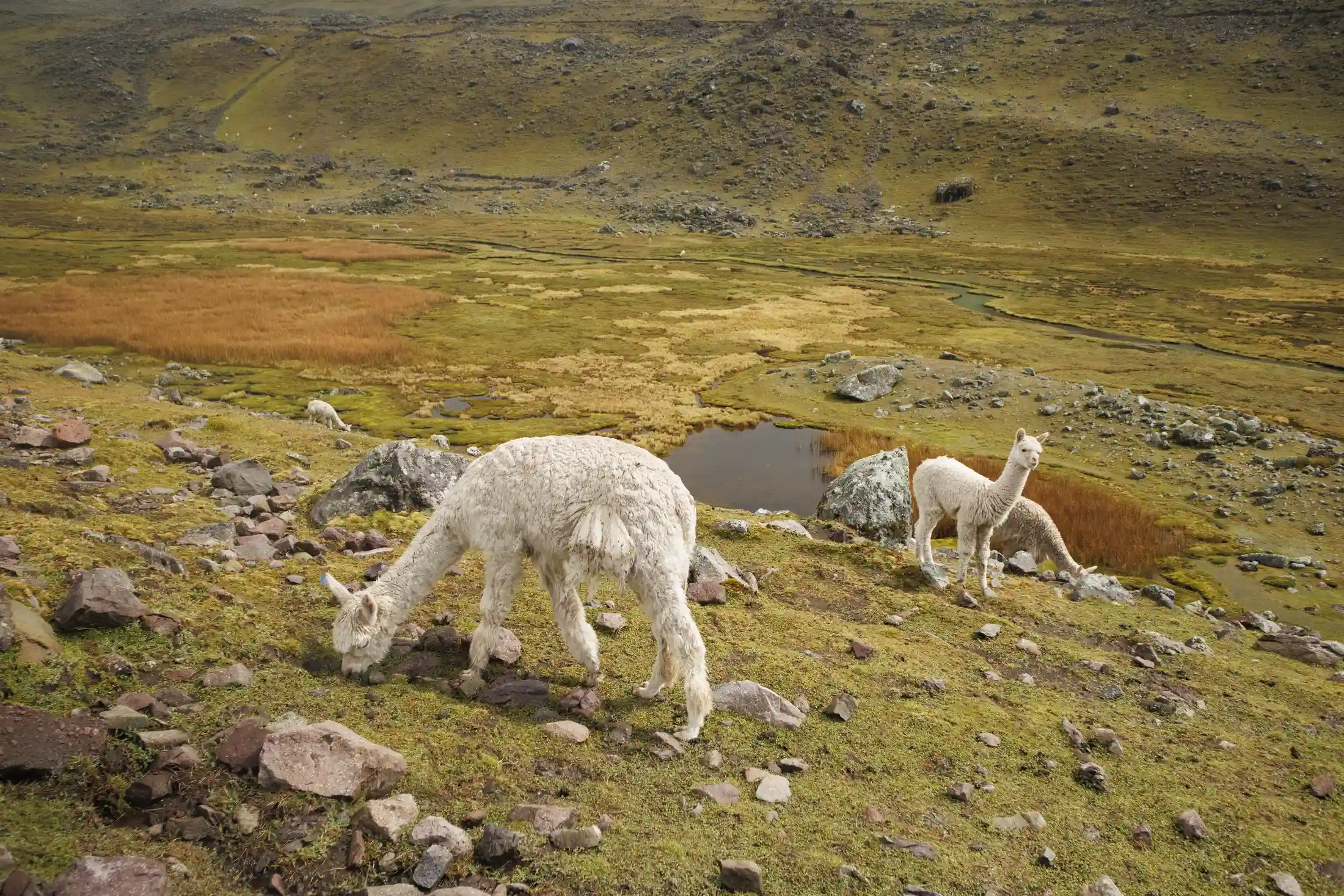
- Pass areas where llamas, alpacas, sheep, vicuñas, and high-Andean birds may be seen.
- Walk through rural Quechua herding lands where the rhythm of life is still tied to animals, weather, and altitude.
- Reach Rainbow Mountain early, before the largest visitor flow arrives from Cusco.
- Continue toward the Red Valley, a red-earth landscape that feels rough, open, and powerful.
- Travel with Machu Picchu Gol Travel, a Cusco-based team focused on organized logistics, trained guides, mountain food, and safe trekking support.
Hotel pickup
Pickup is usually from hotels located in Cusco city. Some streets in the historic center are narrow, steep, or closed to vehicles. If your hotel or Airbnb has difficult access, we may coordinate a nearby meeting point.
The exact pickup time is confirmed during the briefing. Traffic and access conditions in Cusco can cause small variations.
Luggage storage
You can leave your main luggage at your hotel or at our office while you are on the trek. Bring only what you need for the route.
Do not leave valuables inside stored luggage. Passport, money, cards, cameras, medication, and electronics should stay with you.
Duffle bag
You will receive a duffle bag before the trek. Muleteers will carry your allowed luggage together with camp equipment and food supplies.
The standard weight limit is 5 kg / 11 lb unless a different allowance is confirmed in writing. You will not have access to the duffle during the walking day, because the mule team moves ahead to prepare the next camp.
Carry daily essentials in your own daypack: jacket, rain gear, water, snacks, sunscreen, camera, medication, and personal items.
Payment conditions
A deposit is required to secure transport, guide, camp logistics, mule support, meals, equipment, and entrance tickets. Some services must be arranged before departure and may become non-refundable once confirmed.
The remaining balance should be paid before the trek according to the instructions from our reservations team. Cash payments in Cusco may avoid online transaction fees. Card or online payments may include gateway fees.
These conditions exist because camps, muleteers, food supplies, guide service, transport, and route permits must be organized before the departure date.
Return to Cusco
After the final hike through Rainbow Mountain and Red Valley, the group descends to the lunch area and then returns by tourist transport to Cusco.
Drop-off is usually at your hotel or at a nearby accessible point if your accommodation is located on a street without vehicle access.
Availability
This tour does not include Machu Picchu, so it is usually more flexible than tours that require Machu Picchu tickets.
Even so, booking in advance is recommended to secure guide availability, muleteers, camp equipment, meals, transport, and entrance coordination. In some cases, reservations may be accepted with short notice, depending on operation capacity.
For last-minute bookings, please contact the reservations team of Machu Picchu Gol Travel directly. We will do our best to organize the trek, but acceptance is not guaranteed.
This itinerary is usually operated from March through January. February may be restricted due to rain risk, route conditions, and maintenance.
Accommodation
Camps on the Ausangate Route
This trek uses camps in remote high-altitude zones. These are not hotel nights. Camps are placed near mountain areas, lakes, or rural trekking points, depending on the day’s route.
Nights are cold, especially above 4,500 m / 14,764 ft. Travelers should bring proper thermal layers and a sleeping bag rated for low temperatures.
Camp service includes tents, dining space, kitchen equipment, cooking team, and mule support for the allowed luggage and camp gear.
Transport Included
- Tourist transport from Cusco to Upis
- Return tourist transport from the trail ending point to Cusco
- Hotel pickup in Cusco
- Hotel or nearby drop-off in Cusco
- Mule transport for allowed duffle weight and camp gear
Transport times may vary due to traffic, weather, road conditions, strikes, landslides, or local events.
Altitude and Acclimatization
This trek stays at high altitude for several days and reaches around 5,100 m / 16,732 ft at Rainbow Mountain.
Spending 2 or 3 days in Cusco before the trek helps your body adapt. Drink water, avoid alcohol, eat light, and rest well before departure.
Possible altitude symptoms include headache, dizziness, nausea, unusual tiredness, shortness of breath, or loss of appetite. If symptoms appear during the trek, inform your guide right away.
Terrain During the Route
The route combines several types of highland terrain:
- Dirt paths
- Rocky passes
- Grassland trails
- Lake-side sections
- Wet ground near lagoons
- Mud in rainy season
- Exposed high-altitude slopes
- Long descents that can affect knees
Trekking poles are recommended, especially for descents and uneven ground.
Flora on the Route
The Ausangate route crosses the high-Andean puna ecosystem. This area is cold, dry in many months, windy, and low in oxygen.
You may see ichu, a tough highland grass that covers wide areas. In some sectors, native queñua trees may appear. Mosses, lichens, and small high-altitude plants may grow near wetter ground and lakes.
Fauna on the Route
The route is home to animals adapted to high-altitude life. Travelers may see llamas, alpacas, sheep, horses, and, with luck, vicuñas.
Bird sightings may include caracaras, highland ducks near lakes, hawks, and sometimes condors. Small mammals such as vizcachas may appear in rocky areas.
Climate
The Ausangate area is cold throughout the year. Mornings and nights can drop below freezing, especially at camp.
Daytime may bring strong sun, wind, clouds, rain, hail, or snow depending on the season. Weather can change quickly, so layers and rain protection are necessary.
The rainy season is mainly from November to March. The drier season is usually from April to October, with clearer views and colder nights.
Geological Value of Rainbow Mountain
Rainbow Mountain is formed by sedimentary layers and mineral deposits shaped over millions of years.
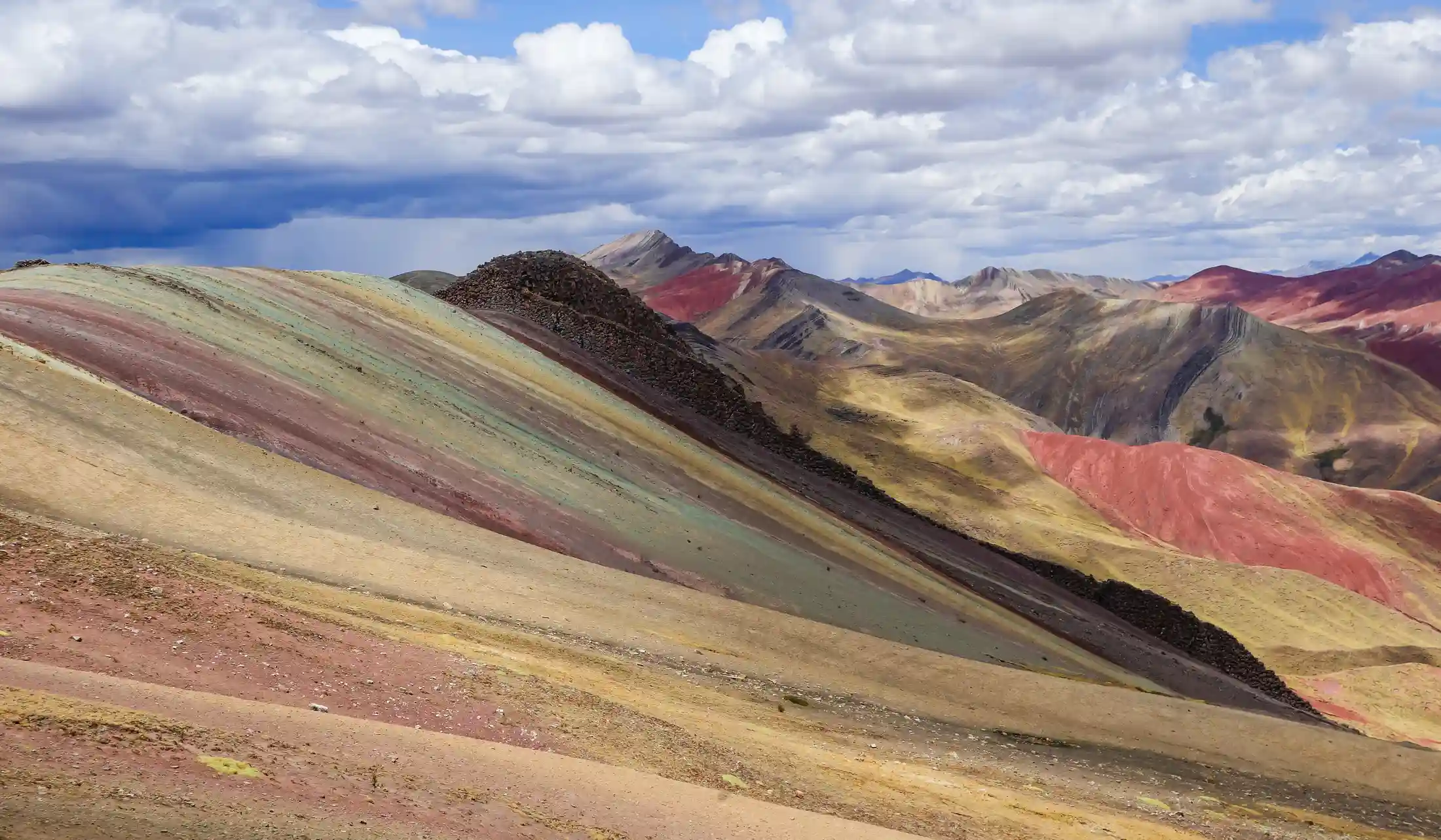
The red tones are linked to iron oxides. Green tones are associated with copper compounds. Yellow tones are related to sulfur-based minerals. Brown and beige tones come from clays and sandstones.
This layering gives Vinicunca its color pattern and makes it one of the most requested high-altitude landscapes in the Cusco region.
Travel Restrictions
Strikes and demonstrations
Strikes and demonstrations are common in Peru and may interrupt some tours. Roads can be blocked, and transport services may be affected. When this happens, we will try to keep your trip as close as possible to the original plan, even if this means leaving earlier than scheduled.
In some cases, tours may be changed or canceled. Any change will be coordinated by our operations team. Safety comes first, and decisions will be made to protect travelers and staff.
Lost objects
Please check your belongings whenever leaving transport, camps, dining tents, viewpoints, or rest areas. You are responsible for your personal items during the tour.
Keep passport, money, cards, medication, electronics, and cameras with you at all times.
Health and physical condition
The Ausangate Trek to Rainbow Mountain is a moderate to challenging high-altitude trek. It includes several days above 4,500 m / 14,764 ft, cold camps, high passes, remote terrain, and a final altitude of around 5,100 m / 16,732 ft.
Travelers should be in good physical condition. Older travelers, people with heart conditions, respiratory issues, recent injuries, pregnancy, or other medical concerns should speak with their doctor before booking.
Altitude sickness can affect anyone, even fit travelers. Symptoms may include headache, nausea, dizziness, loss of appetite, shortness of breath, vomiting, diarrhea, and unusual tiredness. Arriving in Cusco at least 2 or 3 days before the trek helps reduce risk.
Enquire Now
Ready to book the Ausangate Trek to Rainbow Mountain 4 Days with Machu Picchu Gol Travel?
Send us your travel date, number of travelers, hotel location in Cusco, and any special request. Our reservations team will check guide assignment, camp logistics, mule support, meals, transport, and route availability for your trek.
Essential documents and money
- Valid passport
- Travel insurance information
- Cash in Peruvian soles
- Credit or debit card
- Copy of passport saved offline
- Emergency contact information
Clothing
- Waterproof hiking boots
- Light shoes or sandals for camp
- Trekking pants
- Thermal pants
- Long-sleeve shirts
- Warm jacket
- Waterproof jacket
- Rain poncho
- Warm gloves
- Sun hat
- Wool hat
- Neck gaiter or buff
- Trekking socks
- Sleepwear for cold nights
Personal gear
- Medium daypack, 15 to 25 liters
- Sleeping bag, if not renting
- Trekking poles, if not renting
- Water bottle or CamelBak, 2-liter capacity recommended
- Headlamp or flashlight
- Power bank
- Camera and charger
- Sunglasses with UV protection
- Small dry bag or plastic bags for wet clothes
- Snacks such as energy bars, chocolate, dried fruit, or candies
Health and personal care
- Personal medication
- Altitude medication, only if approved by your doctor
- Sunblock, SPF 50 or higher
- Lip balm with sun protection
- Personal hygiene items
- Hand sanitizer
- Blister care
- Small personal first aid items
- Electrolytes or hydration salts
Special requirements
Travelers with special requirements must inform our reservations team in advance. This includes mobility aids, medical equipment, professional photo or video equipment, service animals, special diet tools, or any condition that may affect the route.
Machu Picchu Gol Travel is a Cusco-based travel agency operating tours and treks in Cusco and across Peru. Our service focuses on quality, safe logistics, personal attention, local guides, and responsible work with the people who support each route.
The Ausangate route passes through areas linked to Upis, Arapa, Yanaqocha, Hatun Pukaqocha, Anantapata, Warmisaya, Surineqocha, Llactoc, and the Rainbow Mountain zone. These highland areas are connected to Quechua communities, herding families, muleteers, cooks, drivers, and local providers.
Our commitment is to work respectfully with these local areas. Tourism here should support the people who live and work along the route, while also protecting the fragile puna ecosystem.
For this trek, equipment matters. The route includes cold nights, high camps, remote passes, wind, strong sun, rain risk, and long walking days. We use camp equipment suited for high-altitude trekking, including dining space, kitchen equipment, tents, mats, duffle transport, and support from muleteers.
Food is also key. The body needs warm, balanced meals during cold trekking days. Our kitchen team prepares fresh mountain food, hot drinks, snacks, and meals that help travelers recover after hiking. Vegetarian, vegan, and special dietary needs can be arranged with advance notice. In private service, food requests can be more personal and may involve extra cost depending on the request.
Traveling with Machu Picchu Gol Travel means walking with a local team that understands the altitude, the camps, the weather, the rural communities, and the details that help travelers feel supported during a remote mountain route.
Require More Information
Contact Us
Let our local experts help you choose the perfect Peruvian adventure.
Traveler Reviews