
Starts at
Starts at
Trip Overview
The Classic Inca Trail to Machu Picchu is the route for travelers who want to reach Machu Picchu by walking through the old stone road, not by arriving only from Aguas Calientes.
For four days, you move through Andean valleys, cloud forest, stone stairways, high passes, and Inca sites that can only be reached on foot. The route is demanding, especially on the second day, but it gives something rare: the feeling of approaching Machu Picchu step by step, the same way this sacred route was meant to be used.
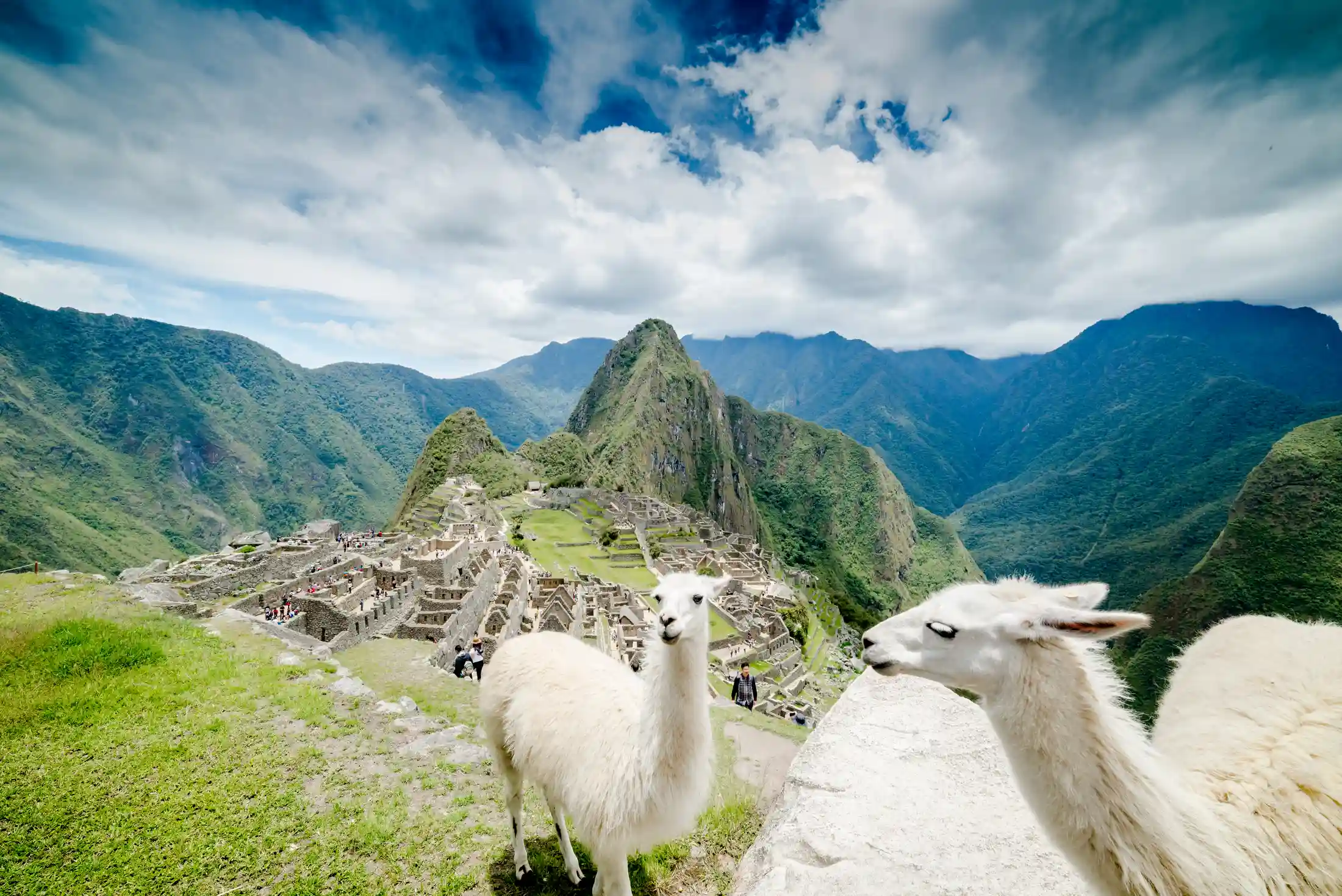
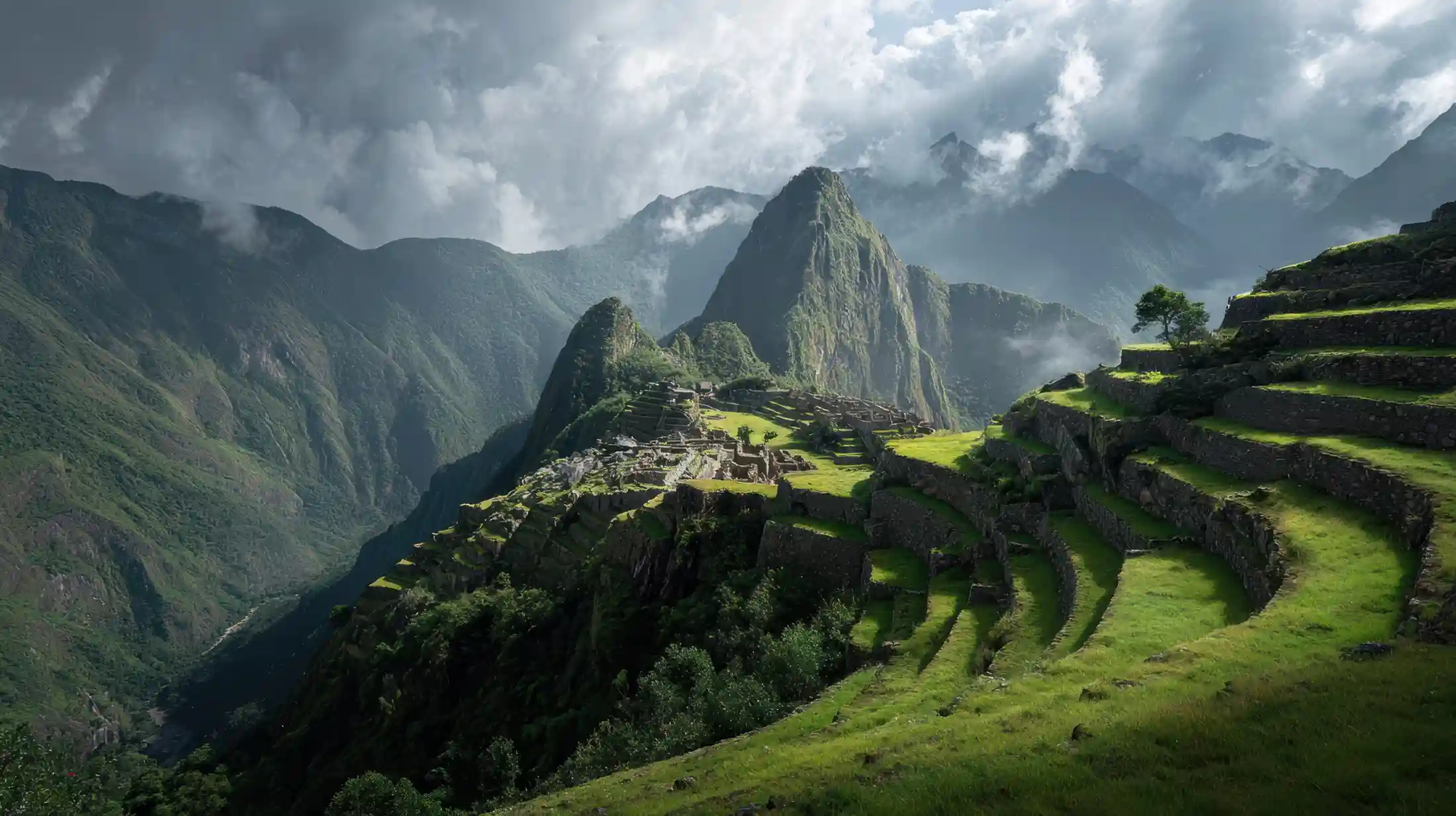
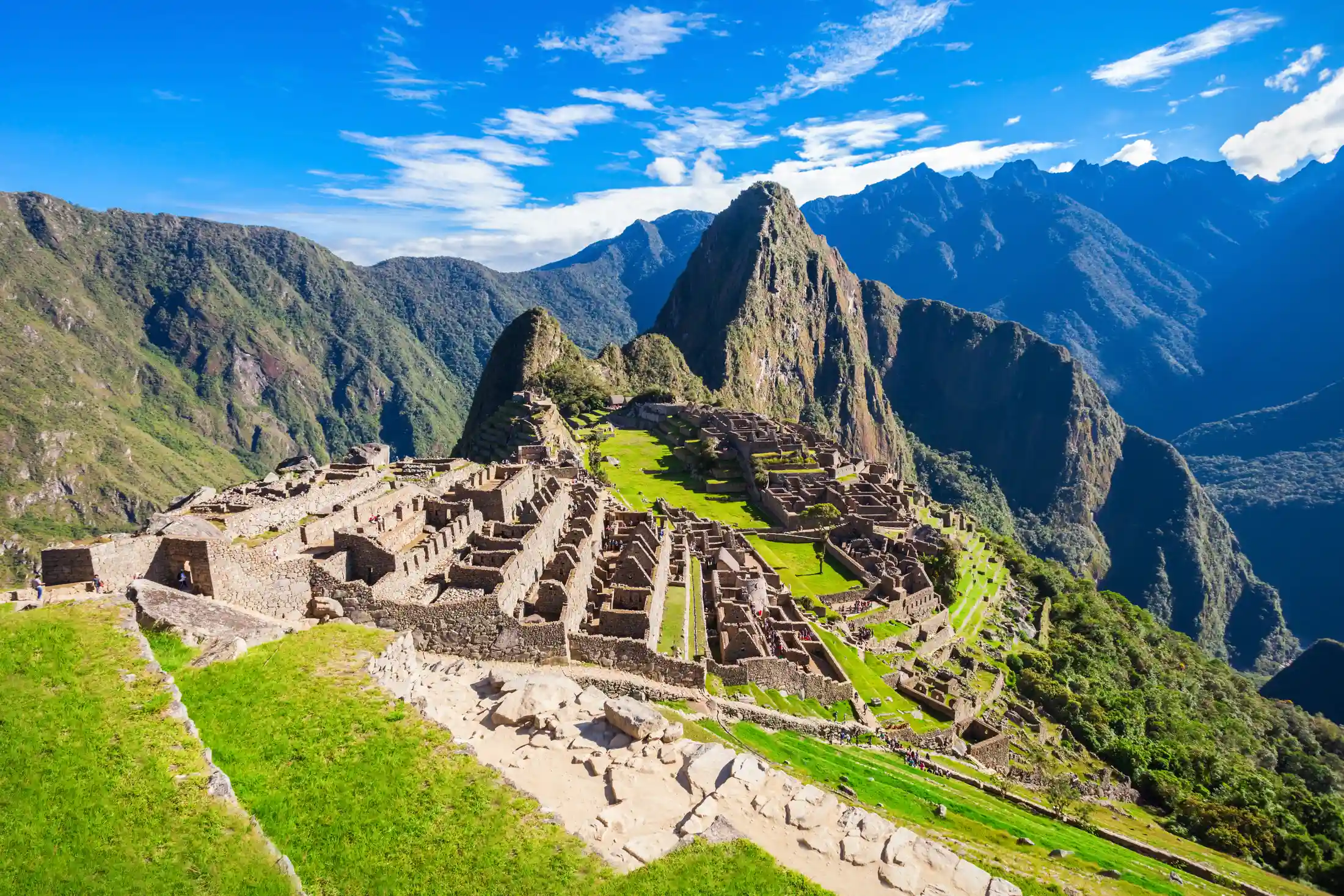
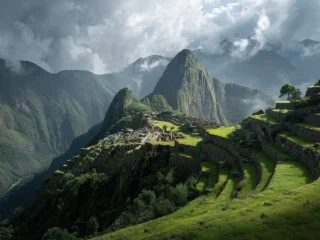
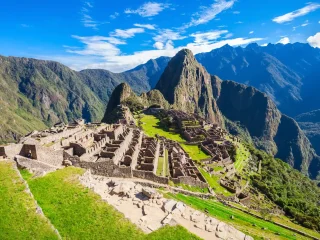
The strongest moment comes on the last morning, when the trail reaches Inti Punku, the Sun Gate, and Machu Picchu appears below after days of effort. That arrival feels different because you earned it with your legs, your lungs, and your patience.
With Machu Picchu Gol Travel, the trek is arranged with official permits, trained guides, porter support, camp logistics, cooked meals, safety equipment, and careful coordination from Cusco to your return.
The Inca Trail has limited permits and they are tied to a specific traveler, date, and passport details. Last-minute bookings are not possible for this trek. For the best chance of securing space, you should reserve up to 6 months in advance.
Tour at a Glance
Ends at
Ends at
Duration
Duration
From
US$ 100
Deposit
6%
Travel staff
Local Guide
Transport
by Bus
Accommodation
Accomodation
Departures
Daily Departures
Season
All year
Meals
1B, 1L, 1D
Physical level
Easy
Max altitude
15,090 feet (4,600 meters)
Sites to visit
Cusco, Soraypampa
Day by Day Schedule
Day highlight: First steps on the official Inca Trail and the first Inca sites along the route.
The day starts early with pickup from your hotel in Cusco. The road goes through the Sacred Valley toward Ollantaytambo, where the group stops for breakfast before continuing to Piscacucho, KM 82, the official trailhead.
At the control point, you must show your original passport. Inca Trail permits are issued under your personal details, so the passport information must match the booking.
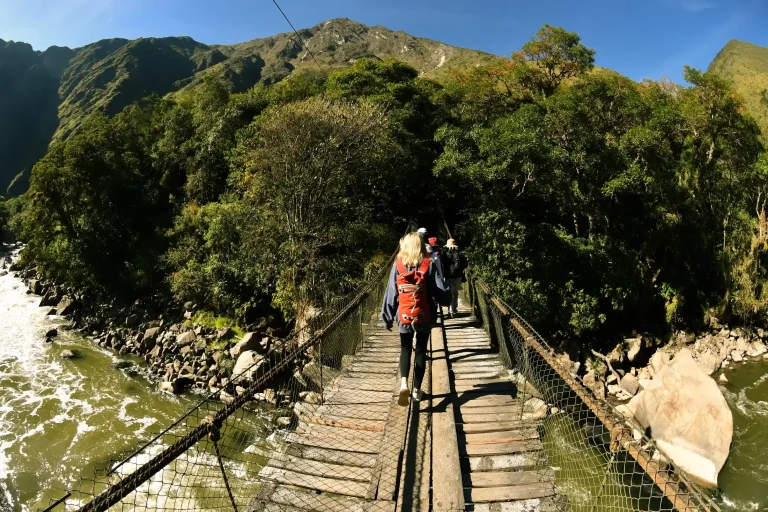
After meeting the porter team and organizing the final details, the walk begins. The first section is moderate and helps the body settle into the rhythm of the trail. The terrain includes dirt paths, dry slopes, stone sections, and open views of the valley.
The route passes Canabamba, where old water channels show how the Incas managed water in the area. Later, you see Llactapata, an Inca site set above the valley, before continuing toward lunch.
In the afternoon, the trail becomes more demanding as it climbs toward Ayapata. You pass small local settlements and rural areas where the trail still feels connected to daily Andean life.
At camp, the team serves hot drinks and dinner. The first night is a chance to rest before the hardest day of the trek.
Technical details
- Meals: Breakfast, lunch, and dinner
- Accommodation: Camp
- Starting altitude: Approx. 2,700 m / 8,858 ft
- Lowest altitude: Approx. 2,620 m / 8,596 ft
- Highest altitude: Approx. 3,300 m / 10,827 ft
- Camp altitude: Ayapata, approx. 3,300 m / 10,827 ft
- Walking distance: Approx. 14 km / 8.7 mi
- Walking time: Approx. 6 to 7 hours
- Difficulty: Moderate
- Trail type: Dirt trail, stone sections, gradual ascent, rural paths
- Transport: Tourist transport from Cusco to Piscacucho KM 82

Day highlight: Crossing Dead Woman’s Pass, the highest and hardest point of the trek.
This is the most demanding day of the Inca Trail. The morning starts with hot coca tea and breakfast at camp before the long climb to Dead Woman’s Pass, known as Warmi Wañusca.
The ascent can take around 4 hours. The trail includes stone steps, dirt sections, forested parts, exposed slopes, and constant uphill walking. The altitude increases steadily, and the body may feel the effort even if you are fit.
At 4,215 m / 13,829 ft, the pass is cold and open. Wind can be strong, and the weather may change quickly. After reaching the top, the route descends toward Pacaymayu for lunch. This downhill section can be hard on the knees, so trekking poles are useful.
After lunch, the trail climbs again toward Runkurakay, a circular Inca site set along the route. From there, the group continues to the second pass and later descends toward Sayaqmarka, one of the most striking Inca sites of the day.
The last section reaches Chaquiqocha, where camp is set for the night. After dinner, the sky can be very clear when weather allows, giving the group a strong view of the Andean night.
Technical details
- Meals: Breakfast, lunch, and dinner
- Accommodation: Camp
- Starting altitude: Approx. 3,300 m / 10,827 ft
- Highest altitude: Dead Woman’s Pass, approx. 4,215 m / 13,829 ft
- Camp altitude: Chaquiqocha, approx. 3,600 m / 11,811 ft
- Walking distance: Approx. 16 km / 9.94 mi
- Walking time: Approx. 8 to 9 hours
- Difficulty: Challenging
- Trail type: Stone steps, steep ascent, high pass, long descent, cloud forest sections
- Key sites: Dead Woman’s Pass, Runkurakay, Sayaqmarka
Day highlight: Wiñay Wayna and the final camp before reaching Machu Picchu.
After the hardest day, the third day feels more balanced, but it still requires steady walking. The landscape begins to change as the trail moves toward cloud forest. Vegetation becomes thicker, the air feels more humid, and the views open toward deep valleys and distant glaciers.
The route climbs toward Phuyupatamarka, often associated with cloud-covered views and Inca water channels. From here, the trail descends for a long section toward Intipata, an agricultural Inca site with terraces facing the valley.
The trail includes stone paths, stairs, narrow sections, and wet ground in rainy months. The descent can be tiring, especially after the second day, so walking slowly is important.
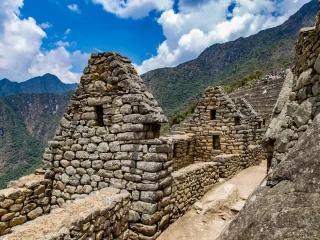
Later, the group reaches the camp near Wiñay Wayna, one of the most important sites on the route. After lunch and rest, the guide leads a walk through the site, where terraces, stone structures, and water channels show the planning skill of the Inca builders.
In the evening, the group shares time with the trekking team. This is usually the last night with the porters and cooks, so it is a good moment to thank the people who carried the camp and made the trek possible.
Technical details
- Meals: Breakfast, lunch, and dinner
- Accommodation: Camp
- Starting altitude: Approx. 3,600 m / 11,811 ft
- Highest altitude: Phuyupatamarka, approx. 3,650 m / 11,975 ft
- Lowest altitude: Approx. 2,650 m / 8,694 ft
- Camp altitude: Wiñay Wayna area, approx. 2,650 m / 8,694 ft
- Walking distance: Approx. 9 km / 5.6 mi
- Walking time: Approx. 4 to 5 hours
- Difficulty: Moderate
- Trail type: Stone trail, cloud forest paths, long descent, wet sections in rainy season
- Key sites: Phuyupatamarka, Intipata, Wiñay Wayna
Day highlight: Reaching the Sun Gate and seeing Machu Picchu from the traditional Inca Trail entrance.
The final day begins before dawn. The group walks to the checkpoint and waits for it to open. Once the trail opens, the route continues toward Inti Punku, the Sun Gate.
This section includes stone steps, narrow paths, and a final climb before the first view of Machu Picchu. After several days of walking, seeing the citadel from above has a different emotional weight.
From the Sun Gate, the group continues toward Machu Picchu. The route followed inside the site depends on the official ticket assigned to Inca Trail hikers. The current official Machu Picchu system has 3 circuits and 10 routes, in effect since June 1, 2024.
The tour may include Circuit 1, Route 1-C, linked to the Sun Gate panoramic route, and Circuit 3, Route 3-B, which gives access to the lower sacred sector of Machu Picchu, depending on the ticket arrangement and official rules. The route must be followed as assigned on the ticket.
After the guided tour, travelers take the bus down to Aguas Calientes. Lunch is not included. Later, the group boards the train to Ollantaytambo, where tourist transport returns to Cusco.
Technical details
- Meals: Breakfast
- Starting altitude: Approx. 2,650 m / 8,694 ft
- Sun Gate altitude: Approx. 2,720 m / 8,924 ft
- Machu Picchu altitude: Approx. 2,430 m / 7,972 ft
- Aguas Calientes altitude: Approx. 2,040 m / 6,693 ft
- Walking distance: Approx. 5 km / 3.1 mi
- Walking time: Approx. 2 to 3 hours
- Difficulty: Moderate
- Trail type: Stone path, narrow sections, final ascent to Inti Punku, descent into Machu Picchu
- Transport: Bus to Aguas Calientes, train to Ollantaytambo, tourist transport to Cusco
Inclusions
What’s Included
Permits and Entrance Tickets
- Official Inca Trail permit
- Machu Picchu entrance ticket for the assigned Inca Trail circuit
- Circuit 1, Route 1-C, when assigned for the Sun Gate panoramic section
- Circuit 3, Route 3-B, when assigned for the lower sacred sector
- Permit processing after complete traveler information and deposit
- Route coordination before departure
Inca Trail permits are issued for a specific date and traveler. They cannot be changed, transferred, or refunded once confirmed.
Guide and Safety
- Professional English and Spanish-speaking guide
- Pre-departure briefing in Cusco
- First aid kit
- Emergency oxygen
- Satellite phone for emergency communication
- Basic altitude support
- Route management according to weather and safety conditions
- 24/7 customer support before the trek
Camping Equipment
- Sleeping tents
- Dining tent
- Kitchen tent
- Tables and chairs
- Cooking equipment
- Portable travel toilet
- Foam mattress
- Inflatable mattress
- Backpack cover
- Duffle bag for personal belongings, maximum 5 kg / 11 lb
- Porter support for camp equipment and allowed luggage
Accommodation
- 3 nights in camps
- Shared tents in standard service
- Camps located along the official Inca Trail route
- Camp support team during the trek
Meals
- 4 breakfasts
- 3 lunches
- 3 dinners
- Hot drinks at camp
- Wake-up tea in the morning
- Tea time before dinner
- Daily snacks during the route
- Boiled and treated water from the first lunch to the last breakfast
- Cloth snack bag to reduce plastic waste
- Handwashing items before meals
- Vegetarian, vegan, and special meal requests with advance notice
Transport
- Hotel pickup in Cusco
- Tourist transport from Cusco to Piscacucho KM 82
- Bus ticket from Machu Picchu to Aguas Calientes on Day 4
- Train ticket from Aguas Calientes to Ollantaytambo
- Tourist transport from Ollantaytambo train station to your hotel in Cusco
- Porter transport for allowed duffle weight and camp gear
What’s Not Included
- Sleeping bag
- Trekking poles
- Lunch in Aguas Calientes on Day 4
- Dinner in Cusco on Day 4
- Travel insurance
- Tips for guide, cooks, porters, drivers, and support team
- Optional Huayna Picchu, Machu Picchu Mountain, or Huchuy Picchu tickets
- Extra drinks or personal purchases
- Extra costs caused by weather, strikes, landslides, illness, train delays, government decisions, or force majeure
Recommendations
Months before the trek
- Book up to 6 months in advance because Inca Trail permits are limited.
- Send correct passport details at the time of booking.
- Train with uphill walks, stairs, and long hikes.
- Break in your hiking boots before arriving in Peru.
- Buy travel insurance that covers multi-day trekking.
- Tell our reservations team about allergies, food restrictions, medical conditions, or special needs.
- Consider private service if you are traveling with children, older travelers, photographers, or anyone who may need a slower pace.
A few days before the trek
- Arrive in Cusco at least 2 or 3 days before the trek.
- Keep your first days in Cusco light so your body can adjust to altitude.
- Drink water often.
- Avoid heavy alcohol before the trek.
- Attend the briefing and ask practical questions.
- Pack warm layers for cold nights and rain protection for humid sections.
- Keep passport, money, medication, and valuables in your daypack.
- Pack your duffle carefully. The maximum allowed weight is 5 kg / 11 lb.
During the trek
- Carry your original passport at all times.
- Walk at your own safe rhythm.
- Do not rush on stone steps or high passes.
- Use trekking poles on long descents.
- Keep rain gear close, especially from November to March.
- Respect Inca sites, local staff, porters, camps, and protected areas.
- Do not leave trash on the route.
- Avoid single-use plastic.
- Carry small soles for drinks, snacks, or personal purchases before entering more remote sections.
- Tell your guide immediately if you feel dizzy, weak, short of breath, or unwell.
- Stay mentally ready for cold nights, long climbs, stone stairs, humidity, and tired legs.
What to Bring From Home
Essential documents and money
- Original valid passport
- Student card, if applying for a discount
- Travel insurance information
- Cash in Peruvian soles
- Credit or debit card
- Copy of passport saved offline
- Emergency contact information
Clothing
- Waterproof hiking boots
- Light shoes or sandals for camp
- Trekking pants
- Shorts
- Long-sleeve shirts
- Warm jacket
- Waterproof jacket
- Rain poncho
- Sun hat
- Neck gaiter or buff
- Trekking socks
- Sunglasses with UV protection
- Sleepwear for camp nights
Personal gear
- Medium daypack, 15 to 25 liters
- Sleeping bag, if not renting
- Trekking poles, if not renting
- Water bottle or CamelBak, 2-liter capacity recommended
- Headlamp or flashlight
- Power bank
- Camera and charger
- Small dry bag or plastic bags for wet clothes
- Snacks such as energy bars, chocolate, dried fruit, or candies
- Towel
- Bathing suit, if you plan to use hot springs before or after the trek
Health and personal care
- Personal medication
- Altitude medication, only if approved by your doctor
- Sunblock, SPF 50 or higher
- Insect repellent
- Lip balm with sun protection
- Personal hygiene items
- Hand sanitizer
- Blister care
- Small personal first aid items
- Electrolytes or hydration salts
Special requirements
Travelers with special requirements must inform our reservations team in advance. This includes mobility aids, medical equipment, professional photo or video equipment, service animals, special diet tools, or any condition that may affect the route.
More Tour Information
- Tour name: Classic Inca Trail to Machu Picchu
- Duration: 4 days and 3 nights
- Starting point: Cusco
- Ending point: Cusco
- Main route: Cusco, Piscacucho KM 82, Canabamba, Llactapata, Huayllabamba, Ayapata, Dead Woman’s Pass, Pacaymayu, Runkurakay, Sayaqmarka, Chaquiqocha, Phuyupatamarka, Intipata, Wiñay Wayna, Sun Gate, Machu Picchu, Aguas Calientes, Ollantaytambo, Cusco
- Accommodation: Camps
- Maximum altitude: Dead Woman’s Pass, approx. 4,215 m / 13,829 ft
- Machu Picchu altitude: Approx. 2,430 m / 7,972 ft
- Total walking distance: Approx. 44 km / 27.3 mi
- Difficulty: Moderate to challenging
- Group size: Up to 16 travelers
- Meals included: 4 breakfasts, 3 lunches, and 3 dinners
- Guide: Professional English and Spanish-speaking guide
- Duffle bag: Included, maximum 5 kg / 11 lb
- Porters: Included for camp equipment and allowed luggage
- Train return: Aguas Calientes to Ollantaytambo
- Final transport: Ollantaytambo to Cusco
- Permit rule: Subject to official Inca Trail availability
- Recommended booking time: Up to 6 months in advance
- Last-minute booking: Not possible for the Classic Inca Trail
- Walk the classic Inca Trail, one of the most requested trekking routes to Machu Picchu.
- Enter the official trail at Piscacucho, KM 82, after crossing the permit control point.
- See Inca sites along the route, including Canabamba, Llactapata, Runkurakay, Sayaqmarka, Phuyupatamarka, Intipata, and Wiñay Wayna.
- Cross Dead Woman’s Pass, the highest point of the trek at 4,215 m / 13,829 ft.
- Move from dry Andean valleys into cloud forest, where vegetation becomes thicker and the air feels more humid.
- Sleep in camps set along the official Inca Trail route, supported by porters, cooks, and your guide.
- Reach Inti Punku, the Sun Gate, before entering the Machu Picchu area.
- Follow the official Machu Picchu circuits included for Inca Trail hikers.
- Travel with Machu Picchu Gol Travel, a Cusco-based agency focused on safe logistics, fair work with porters, careful meals, and clear traveler support.
Service Notes
Hotel pickup
Pickup is usually from hotels located in Cusco city. Some streets in the historic center are narrow, steep, or closed to vehicles. If your hotel or Airbnb has difficult access, we may coordinate a nearby meeting point.
The exact pickup time is confirmed during the briefing. Traffic and access conditions in Cusco can cause small variations.
Luggage storage
You can leave your main luggage at your hotel or at our office while you are on the trek. Bring only what you need for the route.
Do not leave valuables inside stored luggage. Passport, money, cards, cameras, medication, and electronics should stay with you.
Duffle bag
You will receive a duffle bag before the trek. Porters will carry your allowed luggage together with camp equipment and food supplies.
The standard weight limit is 5 kg / 11 lb. You will not have access to the duffle during the walking day, because the porter team moves ahead to prepare the next camp.
Carry daily essentials in your own daypack: passport, jacket, rain gear, water, snacks, sunscreen, camera, medication, and personal items.
Payment conditions
A deposit is required to secure the Inca Trail permit, Machu Picchu ticket, transport, guide, porter team, camp logistics, meals, and train return.
The remaining balance should be paid before the trek according to the instructions from our reservations team. Cash payments in Cusco may avoid online transaction fees. Card or online payments may include gateway fees.
These conditions exist because Inca Trail permits, Machu Picchu tickets, trains, camps, food supplies, guides, cooks, and porter teams must be arranged before departure.
Return from Machu Picchu to Cusco
After the Machu Picchu guided tour, you take the bus down to Aguas Calientes. The bus ride usually takes around 25 minutes.
In Aguas Calientes, you board the train to Ollantaytambo. You should be at the station at least 30 minutes before departure. The train ride to Ollantaytambo takes around 1 hour and 45 minutes.
At Ollantaytambo station, our representative will meet you for the transfer back to Cusco. The drive usually takes around 1 hour and 30 minutes to 2 hours, depending on traffic.
Availability
The Classic Inca Trail has strict permit control. Spaces are limited and must be booked in advance.
This route requires an official permit under the traveler’s name, passport number, nationality, and travel date. Once issued, the permit cannot be changed, transferred, or refunded.
For this trek, last-minute booking is not available. You should reserve up to 6 months in advance, especially for high season.
If no Inca Trail permits are available for your date, our reservations team can offer alternative treks to Machu Picchu, depending on Machu Picchu ticket and train availability.
Machu Picchu Circuits
Machu Picchu entrance is organized by official circuits and routes. The current system has 3 circuits and 10 routes, in effect since June 1, 2024.
For the Classic Inca Trail, the included entrance may involve:
- Circuit 1, Route 1-C: Sun Gate panoramic route, linked to Inti Punku access.
- Circuit 3, Route 3-B: Lower sacred sector, including important architectural and ceremonial areas.
The exact route depends on official regulations and ticket assignment. Travelers must follow the route printed on the ticket and cannot change circuits once inside the site.
Trains to Machu Picchu
The return train is usually a standard tourist train from Aguas Calientes to Ollantaytambo, such as PeruRail Expedition or Inca Rail Voyager, depending on availability.
Train schedules are subject to ticket availability, season, and railway operation. The guide will give you the exact train time during the trek or before the final return.
Large luggage is not allowed on the trail or train return, so your main luggage should stay in Cusco.
Accommodation
Camps on the Inca Trail
This trek uses camps along the official Inca Trail. These are not hotel nights. Camps are set in authorized areas and supported by porters, cooks, and your guide.
Camp service includes tents, dining space, kitchen equipment, sleeping mats, portable toilet support, and meals prepared during the route.
Nights can be cold, especially at higher camps. Rain is possible, and weather can change quickly.
Transport Included
- Tourist transport from Cusco to Piscacucho KM 82
- Bus from Machu Picchu to Aguas Calientes
- Train from Aguas Calientes to Ollantaytambo
- Tourist transport from Ollantaytambo to Cusco
- Porter transport for allowed duffle weight and camp gear
Transport times may vary due to traffic, weather, road conditions, strikes, landslides, or train operation changes.
Altitude and Acclimatization
The highest point of the Classic Inca Trail is Dead Woman’s Pass, at around 4,215 m / 13,829 ft.
Spending 2 or 3 days in Cusco before the trek helps your body adapt. Drink water, avoid alcohol, eat light, and rest well before departure.
Possible altitude symptoms include headache, dizziness, nausea, unusual tiredness, shortness of breath, or loss of appetite. If symptoms appear during the trek, inform your guide right away.
Terrain During the Route
The route combines several types of terrain:
- Dirt paths
- Original Inca stone trails
- Long stone stairways
- Steep uphill sections
- Long descents
- Cloud forest paths
- Wet ground in rainy months
- Narrow trail sections near archaeological areas
Trekking poles are recommended, especially for descents and stone steps.
Flora and Fauna on the Route
The Inca Trail crosses Andean valleys and cloud forest. Depending on altitude and season, travelers may see orchids, mosses, ferns, native trees, bromeliads, and thick vegetation in lower humid sections.
Birds may appear along the route, especially in cloud forest zones. With luck, travelers may see hummingbirds, highland birds, and other species adapted to the varied ecosystems of the trail.
Travel Restrictions
Strikes and demonstrations
Strikes and demonstrations are common in Peru and may interrupt some tours. Roads can be blocked, and train services may be affected. When this happens, we will try to keep your trip as close as possible to the original plan, even if this means leaving earlier than scheduled.
In some cases, tours may be changed or canceled. Any change will be coordinated by our operations team. Safety comes first, and decisions will be made to protect travelers and staff.
Lost objects
Please check your belongings whenever leaving transport, camps, dining tents, restaurants, trains, buses, or rest areas. You are responsible for your personal items during the tour.
Keep passport, money, cards, medication, electronics, and cameras with you at all times.
Health and physical condition
The Classic Inca Trail is a moderate to challenging trek. It includes several days of walking, high altitude, long stone stairways, cold nights, humid cloud forest, steep climbs, and long descents.
Travelers should be in good physical condition. Older travelers, people with heart conditions, respiratory issues, recent injuries, pregnancy, or other medical concerns should speak with their doctor before booking.
Altitude sickness can affect anyone, even fit travelers. Symptoms may include headache, nausea, dizziness, loss of appetite, shortness of breath, vomiting, diarrhea, and unusual tiredness. Arriving in Cusco at least 2 or 3 days before the trek helps reduce risk.
Enquire Now
Ready to book the Classic Inca Trail to Machu Picchu 4 Days with Machu Picchu Gol Travel?
Send us your travel date, number of travelers, passport details, and any special request. Our reservations team will check Inca Trail permit availability, Machu Picchu ticket
Machu Picchu Gol Travel is a Cusco-based travel agency operating treks and tours in Cusco and across Peru. Our work focuses on quality service, safe logistics, trained local guides, and responsible work with the people who support each route.
The Classic Inca Trail passes through areas linked to Piscacucho, Huayllabamba, Ayapata, Pacaymayu, Chaquiqocha, Wiñay Wayna, Inti Punku, and Machu Picchu. These areas are part of a protected route with strong archaeological value, fragile ecosystems, and strict government control.
Our commitment is to run this trek with care for the route, the camps, the Inca sites, and the people who work behind the scenes. On the Inca Trail, porters are essential. They carry camp equipment, food, tents, cooking gear, and the allowed traveler luggage. Their work must be respected, organized, and handled according to porter protection rules and fair working practices.
For this trek, equipment matters. The route includes high passes, cold nights, rain risk, stone steps, long descents, humid cloud forest, and several camp nights. We use trekking equipment suited for these conditions, including tents, sleeping mats, dining equipment, cooking gear, portable toilet support, and duffle transport.
Food is also a key part of the journey. Our kitchen team prepares warm meals, hot drinks, snacks, and balanced trekking food to help travelers recover after each day. Vegetarian, vegan, and special dietary needs can be arranged with advance notice. In private service, meal planning can be more personal and may include extra cost depending on the request.
Traveling with Machu Picchu Gol Travel means walking the Inca Trail with a local team that understands the permits, the camps, the trail rules, the porter system, the Machu Picchu circuits, and the small details that help travelers feel supported from Cusco to the final return.
Require More Information
Contact Us
Let our local experts help you choose the perfect Peruvian adventure.
Traveler Reviews